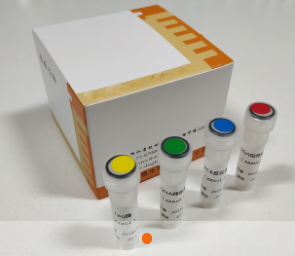
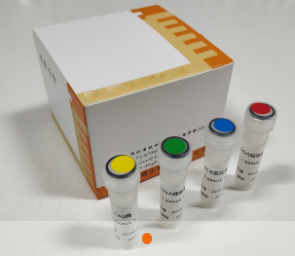
2×BalbMulti PCR Mix
BalbMulti PCR Mix is a ready‑to‑use premix system consisting of BaldStar DNA Polymerase, Mg²⁺, dNTPs, PCR stabilizers and enhancers. It eliminates tedious multi‑parameter optimization and enables convenient multiplex PCR with simple condition screening. It is ideal for multiplex PCR applications including microsatellite analysis, genotyping and SNP detection.
The included BaldStar DNA Polymerase is a chemically modified hot‑start polymerase that suppresses early non‑specific amplification from primer mispairing. Full enzyme activation requires a 10‑minute incubation at 95 ℃. Combined with specificity‑boosting enhancers and a proprietary buffer system, it enables efficient extension of multiple primer sets in one tube without extra optimization. Integrated GC Enhancer supports successful amplification of difficult high‑GC templates.
Kit Contents
2× BalbMulti PCR Mix: 5 × 1 mL
ddH₂O: 5 × 1 mL
Storage
Store at -20 ℃. Avoid repeated freeze‑thaw cycles.
Quality test: no exogenous nuclease activity detected.
Residual host DNA test: passed.
Stability: activity remains stable for 3 months under 2–8 ℃ storage.
Reference 50 μL Multiplex PCR System
| Component |
Volume |
Final Concentration |
| 2× BalbMulti PCR Mix |
25 μL |
1 × |
| Primer Mix (10 μM each) |
1 μL |
0.2 μM |
| Template DNA |
appropriate amount |
— |
| ddH₂O |
to 50 μL |
— |
Important Notes for Primer Design
Minimize Tm differences among primers; keep the Tm gap within 5 ℃ if possible. The recommended working range for each primer is 0.05–0.2 μM. Raise primer concentration for weak amplification; lower primer concentration to reduce non‑specific bands.
Reference Thermal Cycling Program
- Initial activation / pre‑denaturation: 95 ℃, 10 min (1 cycle)
- Denaturation: 95 ℃, 30 s
- Annealing: 55–65 ℃, 30 s
- Extension: 72 ℃, 1 kb/min
Steps 2–4: 30–40 cycles
- Final extension: 72 ℃, 5 min (1 cycle)
Cycling Optimization Tips
The starting annealing temperature is commonly set 5 ℃ below the primer Tm. Lower annealing temperature for poor yield; raise annealing temperature to eliminate non‑specific products.
Set extension time according to target fragment size. BaldStar DNA Polymerase amplifies at 1–2 kb/min.
The original text cuts off at “According to the amplification products”, I reserve this position for you to supplement later.