Product Details
Conventional administration routes such as intraperitoneal and intravenous injection struggle to cross the blood‑brain barrier to deliver agents precisely to the brain. Most substances reaching the brain via systemic circulation are metabolized metabolites, which compromises the efficacy of injected materials. In addition, general delivery methods cannot achieve precise targeting of injection sites, requiring large drug doses and resulting in unnecessary waste.
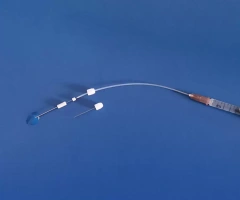
To improve accuracy and efficacy for intracranial drug delivery, the intracerebroventricular cannula kit provides a highly practical and effective solution. For repeated‑dosing studies, pre‑implantation of cannulas avoids tissue damage from repeated craniotomy and effectively protects animal welfare.
We supply intracerebroventricular cannulas in multiple specifications and sizes for intracranial administration in mice, rats and other laboratory animals. The cannulas can also be used with compatible optical fibers and electrodes to perform optical or electrical stimulation on target brain regions during or after drug infusion.
Product Features
Diverse specifications with custom options
Single‑cannula, double‑cannula and other styles are available. A broad selection of cannula dimensions accommodates experimental requirements for different animal species; custom manufacturing is supported.
Miniature size for long‑term implantation
Compact dimensions cause minimal tissue trauma and ensure safe operation. One‑time implantation permits multiple drug infusions without repeated craniotomy, preventing injury to experimental animals.
Exquisite structural design
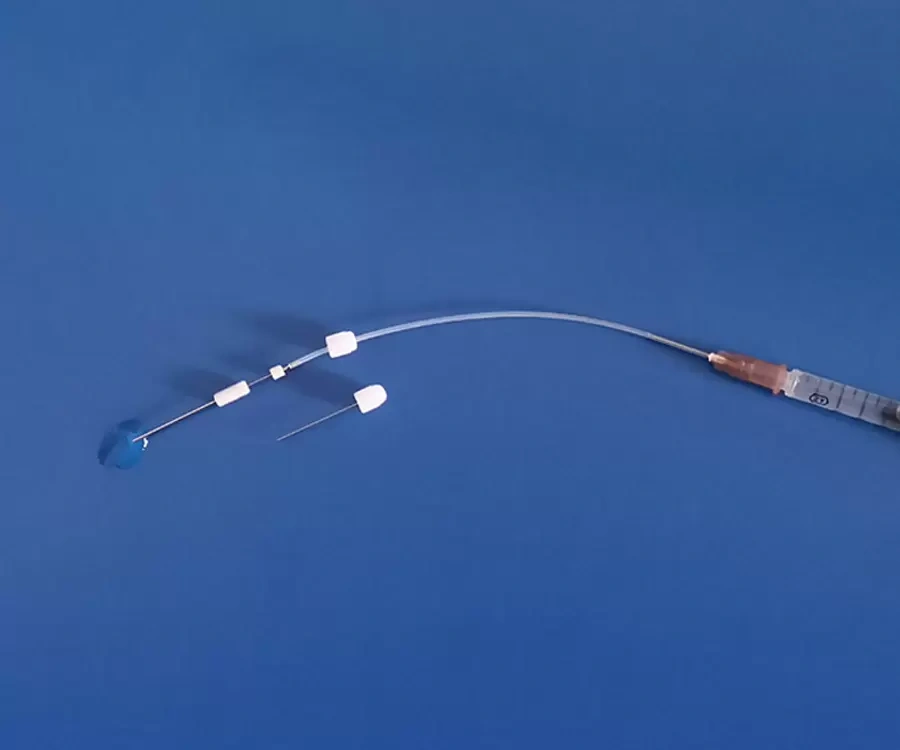
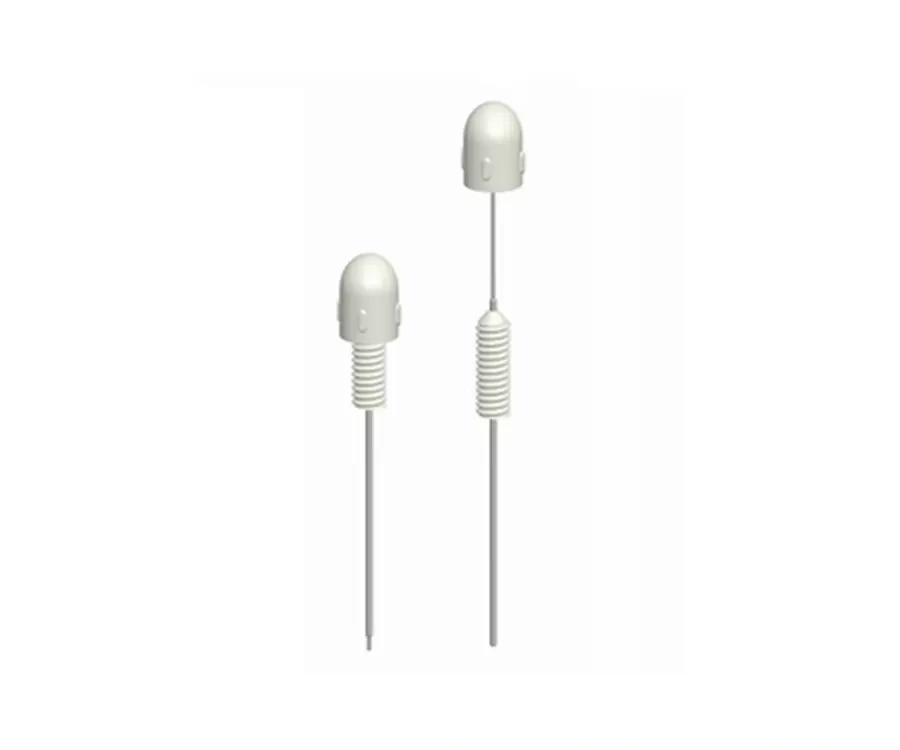
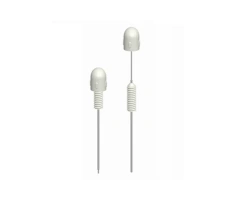
The well‑matched assembly of guide cannula, injection inner cannula, tubing and protective cap enables intracranial drug delivery for mice and rats, achieving precise release of drugs or viral vectors into target brain regions.
Simple and reliable operation
Fixed with dental cement and bone screws for high stability. Compatible with syringe pumps and injection needles to satisfy diverse intracerebroventricular infusion requirements.

Figure: Schematic diagram of intracerebroventricular cannula implantation
Product Composition
Single‑channel Intracerebroventricular Cannula
‑ Base
‑ Injection Inner Cannula
‑ Cannula Cap
‑ Locking Cap Nut

Dual‑channel Intracerebroventricular Cannula
Application Scenarios
- Acute and chronic experimental studies of neuroactive drugs
- Intracranial injection of viruses, dyes, neurotransmitters and other agents
- Research on the effects of test substances on neural behaviors and electrophysiology
- Pre‑clinical pharmacodynamic evaluation of candidate drugs

Dimensions (Unit: mm)
Dimension marking diagram
 Single-channel ventricular administration cannula

Dual-channel ventricular administration cannula
Single‑channel Intracerebroventricular Cannula for Mice
| Item |
Kit‑1 (Mouse) |
Kit‑2 (Mouse) |
| Base Diameter D |
3.5 |
3.5 |
| Guide Cannula Outer Diameter D1 |
0.40 |
0.48 |
| Injection Inner Cannula Outer Diameter D2 |
0.20 |
0.30 |
| Dummy Cannula Outer Diameter D3 |
0.20 |
0.30 |
| Base Length L |
6 |
6 |
| Guide Cannula Length L1 |
0‑25 |
0‑25 |
| Insertion Depth L2 |
4.5 |
4.5 |
| Protruding Length L3 |
0‑1 |
0‑1 |
| Protruding Length L4 |
0‑1 |
0‑1 |
Single‑channel Intracerebroventricular Cannula for Rats
| Item |
Kit‑3 (Rat) |
Kit‑4 (Rat) |
| Base Diameter D |
3.5 |
3.5 |
| Guide Cannula Outer Diameter D1 |
0.56 |
0.64 |
| Injection Inner Cannula Outer Diameter D2 |
0.35 |
0.40 |
| Dummy Cannula Outer Diameter D3 |
0.35 |
0.40 |
| Base Length L |
8 |
8 |
| Guide Cannula Length L1 |
0‑25 |
0‑25 |
| Insertion Depth L2 |
4.5 |
4.5 |
| Protruding Length L3 |
0‑1 |
0‑1 |
| Protruding Length L4 |
0‑1 |
0‑1 |
Dual‑channel Intracerebroventricular Cannula for Neonatal Rats
| Item |
SL‑21 (Neonatal Rat) |
SL‑21 (Neonatal Rat) |
| Channel Spacing P |
1.0‑2.0 |
2.2‑3.2 |
| Base Diameter D |
4.0 |
5.5 |
| Guide Cannula Outer Diameter D1 |
0.41 |
0.41 |
| Injection Inner Cannula Outer Diameter D2 |
0.2 |
0.2 |
| Dummy Cannula Outer Diameter D3 |
0.21 |
0.21 |
| Base Length L |
6 |
6 |
| Guide Cannula Length L1 |
0‑18 |
0‑18 |
| Insertion Depth L2 |
4 |
4 |
| Protruding Length L3 |
0‑2 |
0‑2 |
| Protruding Length L4 |
0‑2 |
0‑2 |
Dual‑channel Intracerebroventricular Cannula for Mice & Rats
| Item |
SL‑23 (Mouse/Rat) |
SL‑24 (Mouse/Rat) |
| Channel Spacing P |
1.2‑2.0 |
2.2‑3.2 |
| Base Diameter D |
4.0 |
5.5 |
| Guide Cannula Outer Diameter D1 |
0.48 |
0.48 |
| Injection Inner Cannula Outer Diameter D2 |
0.3 |
0.3 |
| Dummy Cannula Outer Diameter D3 |
0.3 |
0.3 |
| Base Length L |
6 |
6 |
| Guide Cannula Length L1 |
0‑20 |
0‑20 |
| Insertion Depth L2 |
4 |
4 |
| Protruding Length L3 |
0‑2 |
0‑2 |
| Protruding Length L4 |
0‑2 |
0‑2 |
Dual‑channel Intracerebroventricular Cannula for Rats
| Item |
SL‑25 (Rat) |
SL‑26 (Rat) |
| Channel Spacing P |
1.3‑1.9 |
2.0‑3.2 |
| Base Diameter D |
4.0 |
5.5 |
| Guide Cannula Outer Diameter D1 |
0.64 |
0.64 |
| Injection Inner Cannula Outer Diameter D2 |
0.4 |
0.4 |
| Dummy Cannula Outer Diameter D3 |
0.41 |
0.41 |
| Base Length L |
8 |
8 |
| Guide Cannula Length L1 |
0‑20 |
0‑20 |
| Insertion Depth L2 |
4 |
4 |
| Protruding Length L3 |
0‑2 |
0‑2 |
| Protruding Length L4 |
0‑2 |
0‑2 |