Organoids are tissue analogues with defined spatial structures generated by three-dimensional in vitro culture of adult stem cells or pluripotent stem cells. They highly recapitulate the tissue architecture, cell types, self-renewal capacity and biological functions of their source tissues. Therefore, organoids possess unique advantages across diverse biomedical fields, including developmental biology, disease modeling, precision medicine, drug discovery, gene and cell therapy, infection and immunity, as well as regenerative medicine.
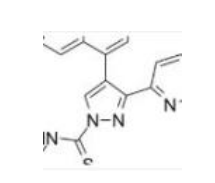
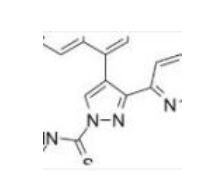
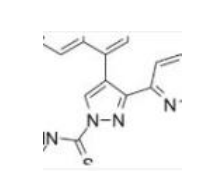
Product Description A 83-01 is a potent inhibitor of TGF-β type I receptor ALK5 kinase, type I nodal receptor ALK4 and type I nodal receptor ALK7. Its IC50 values against transcription induced by ALK5, ALK4 and ALK7 are 12 nM, 45 nM and 7.5 nM, respectively.
BIOLOGICAL ACTIVITY In Vitro A 83-01 potently inhibits TGF-β type I receptor ALK5 kinase, ALK4 and ALK7. It suppresses ALK5-induced transcription with an IC50 of 12 nM in Mv1Lu cells, and blocks ALK4-TD and ALK7-TD triggered transcription with IC50s of 45 nM and 7.5 nM in R4-2 cells. It only weakly inhibits transcription induced by constitutively active ALK6, ALK2, ALK3 and ALK1. A 83-01 (0.03–10 µM) effectively abolishes the growth-inhibitory effect of TGF-β, achieving complete inhibition at 3 µM. A 83-01 (1–10 µM) suppresses TGF-β-induced Smad activation in HaCaT cells [1]. At 1 µM, A 83-01 reduces TGF-β1-enhanced cell motility, adhesion and invasion in HM-1 cells, while showing no impact on cell proliferation.
In Vivo A 83-01 (50, 150 and 500 μg/mouse, i.p.) markedly improves mouse survival without causing changes in body weight or neurobehavioral performance [2]. Administered at 0.5 mg/kg (i.p.), A 83-01 exerts significant anti-tumor activity in mice bearing M109 tumor cells.