• Various dialysis bags
  • Various dialysis bags
  • Various dialysis bags
  • Various dialysis bags

Various dialysis bags

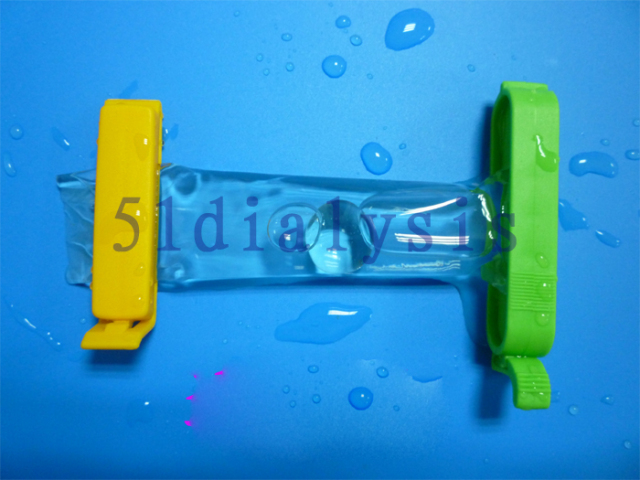
Various dialysis bags are semipermeable membrane lab wares for biomolecule separation, desalting, buffer exchange and sample purification in biochemistry, protein research and IVD reagent development. Made of regenerated cellulose or other high-performance membrane materials, they feature different molecular weight cut-off (MWCO) specifications to allow small molecules, ions and impurities to pass through while retaining target proteins, polysaccharides and other macromolecules. These dialysis bags are available in multiple sizes and MWCO options, pre-treated or non-treated for different experimental needs. They are widely used for protein desalting, antibody purification, sample buffer replacement and biomolecule purification before immunoassay and reagent formulation.
$19.00
  • Various dialysis bags
  • Various dialysis bags

SPECIFICATION

Our biotechnology CE dialysis bags adopt cellulose ester membrane, widely used for protein desalting, buffer exchange, antibody purification and biomolecule separation in biochemistry labs, IVD reagent development and life science research.
This CE membrane is ready for use without pre-treatment. Heavy metal ions and sulfides are kept at trace levels. The membrane only tolerates neutral conditions, weak acids, weak bases and mild alcohols. It is not compatible with strong polar organic solvents, which will damage the membrane structure.
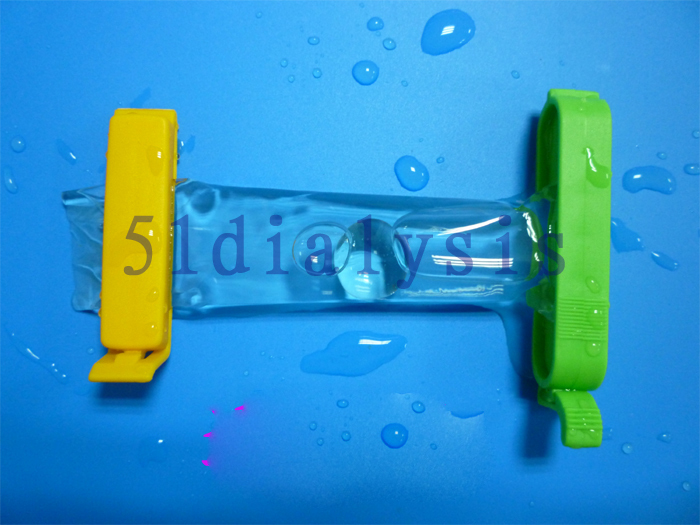
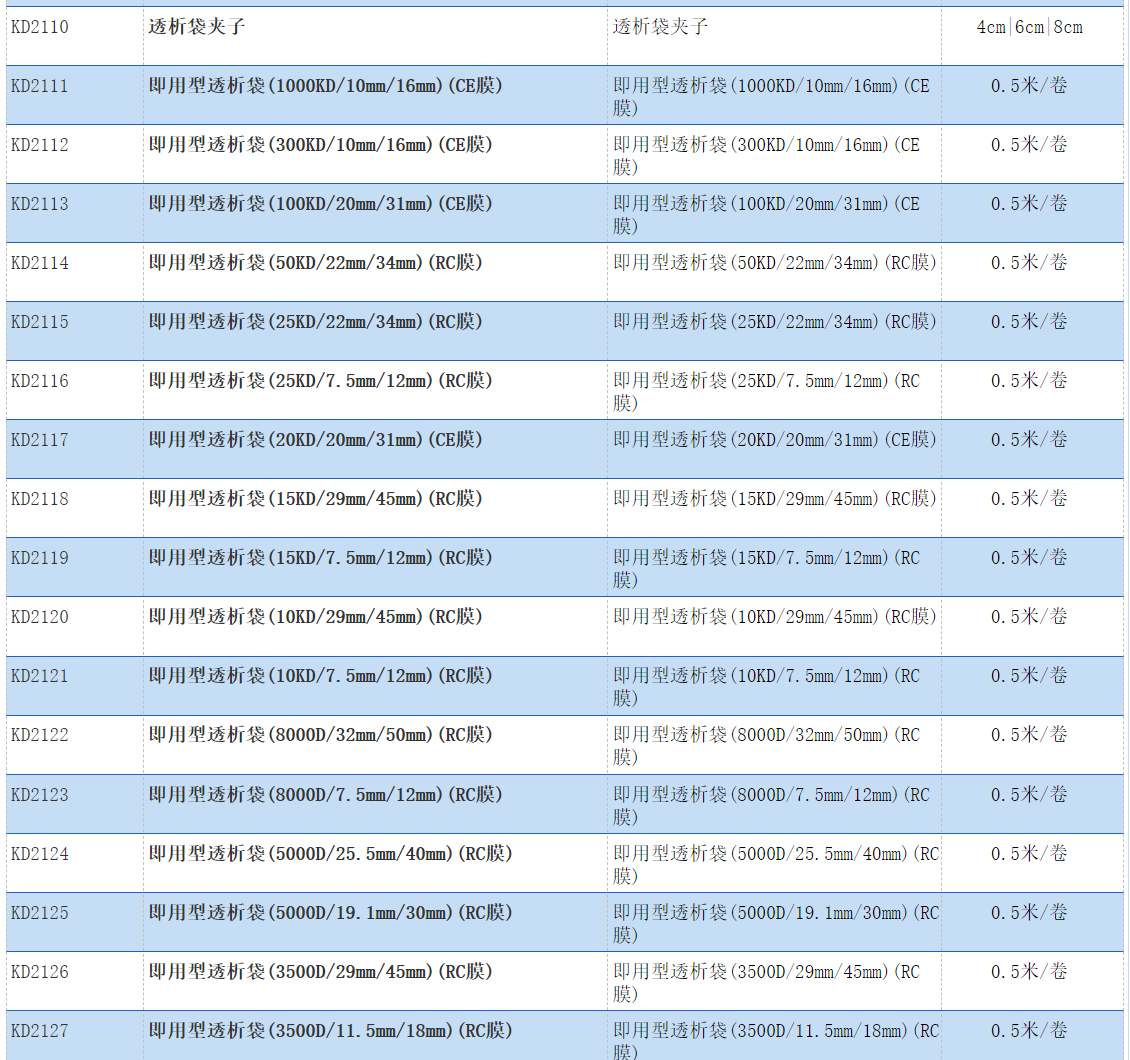
Key Features

  • Ready-to-use CE membrane, no pre-treatment required
  • Low heavy metal & sulfide content
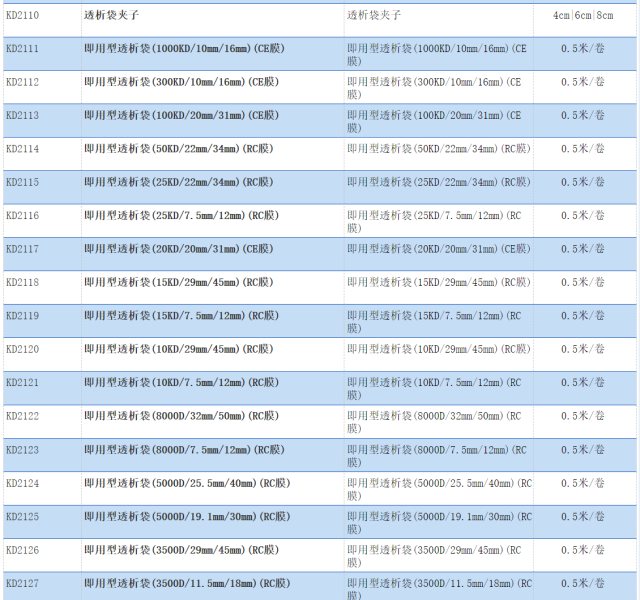
  • Available in multiple MWCO and flat width specifications
  • Suitable for protein, antibody and macromolecule sample dialysis
  • Simple operation, compatible with dialysis clamps
  • Stable performance for routine biomolecule purification

Technical Parameters

  • Membrane material: Cellulose ester (CE) membrane
  • Applicable pH range: 2 – 9
  • Working temperature: 4 ℃ – 37 ℃
  • Storage solution: 0.05% sodium azide preservative solution
  • Chemical tolerance: Neutral, weak acid, weak base, mild alcohol. Not resistant to strong polar organic solvents
  • Note: The dialysis bag tends to shrink when exposed to organic solvents. If organic solvents are required in your test, run a pre-test with a short segment first.

Storage Conditions

Keep the dialysis membrane fully immersed in the supplied storage solution and sealed. The storage temperature range is 4–37 ℃. Recommended storage: sealed and refrigerated at 4 ℃.

User Guide

  1. Wear gloves before operation. Cut the dialysis bag into suitable lengths (approx. 10 cm, adjustable as needed). Prepare enough container for dialysis.
  2. Rinse thoroughly with distilled water and check for leakage by gently pinching both ends. The preservative in storage solution may inhibit active substances. Rinse with distilled water / deionized water at least 3 times. Soak in distilled water for 30 minutes before use for better results.
  3. Seal unused dialysis membrane in the storage solution again. Gloves are mandatory when touching the membrane.
  4. Use dialysis clamps to seal one end. Fill with water and press gently to check leakage. Repeat the leak test for the other end to avoid loose clamping.
  5. Load samples, and reserve 1/3 to 1/2 empty space inside the bag. This prevents bursting caused by buffer infiltration during dialysis.
  6. Seal the opening with a clamp to start dialysis. To speed up dialysis: replace dialysate frequently, use a magnetic stirrer, or hang the dialysis bag suspended in the solution.
  7. Recommended dialysis time: 24–48 hours, adjustable based on sample concentration. Overnight dialysis is acceptable.
Tip: For small-volume samples, place a sealed glass rod or glass tube inside the bag to sink it below the liquid surface. Volume increase up to 50% is normal for high-salt protein samples after overnight dialysis.

MWCO & Flat Width Selection Guide

MWCO (Molecular Weight Cut-off)

MWCO is an indirect indicator of separation performance. It is defined as the molecular weight of solutes with ≥90% retention rate.
Solute permeability depends on molecular shape, hydration level, charge and polarity.
✅ Selection rule:
Choose MWCO less than half of the target molecule weight you want to retain; or choose MWCO more than twice the maximum molecular weight of substances to be filtered out.
  • The effective size of molecules changes with pH and ionic strength
  • Test several membranes to confirm the best MWCO for your application
  • Select the maximum available MWCO that will not cause obvious loss of target substances to achieve faster dialysis

Flat Width

Flat width is determined by sample volume. Narrower dialysis tubing provides shorter diffusion distance and faster dialysis. Wider tubing fits larger sample volume with slower diffusion.
We recommend a total length of 10–15 cm (including reserved space and clamps). Larger sample volume requires wider dialysis bags.

Applications

Protein desalting, antibody purification, buffer exchange, polysaccharide purification, biomolecule pretreatment, IVD raw material development, biochemical research, life science laboratory testing.

FAQ

Q1: What is CE dialysis membrane?
A: CE membrane is cellulose ester membrane. Our biotechnology CE dialysis bags are ready to use, mainly for protein desalting, buffer exchange and biomolecule purification. It works within pH 2–9 and 4–37℃.
Q2: Can CE dialysis bags contact organic solvents?
A: Not recommended. Strong polar organic solvents will damage CE membrane and cause shrinkage. If organic solvents are required, run a pre-test with a short piece first.
Q3: How to choose the MWCO of dialysis bag?
A: Choose MWCO less than half of the molecule weight you want to retain, or more than twice the molecular weight of substances to be filtered out.
Q4: How should I store CE dialysis bags?
A: Keep the membrane immersed in 0.05% sodium azide storage solution and seal it. Recommended storage temperature is 4℃ refrigerator.
Q5: Why reserve space inside the dialysis bag after sample loading?
A: Buffer will enter the bag during dialysis. Leaving 1/3–1/2 space prevents the dialysis bag from bursting. High-salt protein samples may expand up to 50%.
CONTACT US
Name *
Email *
Message *
Verification code *
Click to verify